
Hunting Equipment from Sears: A Historical Overview
Hunting has long been a cherished tradition in American culture, serving as both a means of sustenance and a recreational activity. Over the years, various retailers have played a significant role in providing hunters with the necessary equipment. One such retailer is Sears, Roebuck and Company, which has a storied history in the hunting equipment market. This blog post will explore the evolution of hunting gear available at Sears, highlighting key products, innovations, and the impact of this iconic retailer on the hunting community.
The Early Years of Sears and Hunting Equipment
Founded in 1893, Sears began as a mail-order catalog company, offering a wide range of products to rural customers who had limited access to retail stores. The first catalog featured a modest selection of items, but as the company grew, so did its offerings. By the early 1900s, Sears recognized the growing interest in hunting and outdoor activities, leading to the inclusion of hunting equipment in their catalogs.
The First Hunting Catalogs
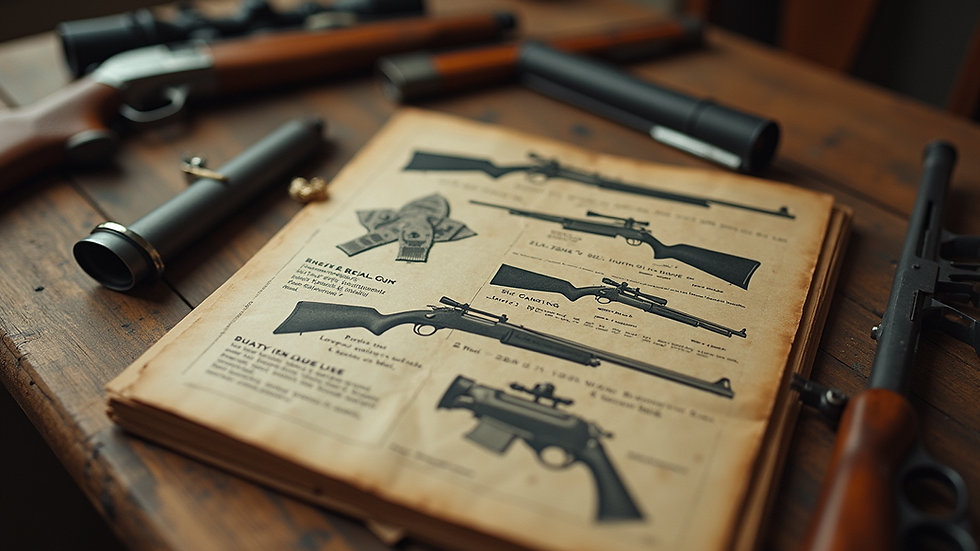
In the early 20th century, Sears published specialized hunting catalogs that catered to the needs of hunters. These catalogs featured a variety of products, including:
Rifles and Shotguns: Sears offered a selection of firearms from reputable manufacturers, making it easier for hunters to find quality weapons.
Ammunition: The catalogs included various types of ammunition, ensuring that hunters had the right supplies for their firearms.
Hunting Apparel: Sears recognized the importance of proper clothing for hunting and offered a range of durable and weather-resistant apparel.
These early catalogs not only provided hunters with essential gear but also educated them on the best practices for hunting.
The Rise of Sears as a Hunting Equipment Retailer
As the 20th century progressed, Sears solidified its position as a leading retailer of hunting equipment. The company expanded its product lines and began to innovate in response to changing consumer demands.
Innovations in Hunting Gear
Sears was known for its commitment to quality and affordability, which attracted a loyal customer base. Some notable innovations during this period included:
The Ted Williams Line: In the 1960s, Sears introduced the Ted Williams line of hunting gear, named after the famous baseball player and avid outdoorsman. This line included rifles, shotguns, and fishing equipment, all designed to meet the needs of serious hunters.
Quality Assurance: Sears implemented strict quality control measures to ensure that all hunting equipment met high standards. This commitment to quality helped build trust among consumers.
The Impact of Sears on Hunting Culture
Sears played a crucial role in shaping hunting culture in America. By making hunting equipment accessible to a broader audience, the company encouraged more people to take up the sport. This democratization of hunting contributed to the growth of hunting clubs and organizations, fostering a sense of community among hunters.
The 1970s and 1980s: A Changing Landscape
As the hunting landscape evolved in the 1970s and 1980s, so did Sears' approach to hunting equipment. The company faced increased competition from specialized outdoor retailers, prompting it to adapt its offerings.
Diversification of Products
During this period, Sears expanded its hunting equipment selection to include:
Archery Gear: Recognizing the growing popularity of bow hunting, Sears began offering a range of archery equipment, including bows, arrows, and accessories.
Camping Gear: Many hunters also enjoy camping, so Sears started to include camping gear in its catalogs, providing a one-stop shop for outdoor enthusiasts.
Marketing Strategies
Sears employed various marketing strategies to attract hunters, including:
Targeted Advertising: The company created advertisements specifically aimed at hunters, showcasing new products and seasonal promotions.
Sponsorships: Sears sponsored hunting events and competitions, further solidifying its connection to the hunting community.
The Decline of Sears and Its Hunting Equipment
Despite its strong history in the hunting equipment market, Sears faced significant challenges in the late 20th and early 21st centuries. The rise of e-commerce and changing consumer preferences led to a decline in sales, impacting the availability of hunting gear.
The Shift to Online Retail
As more consumers turned to online shopping, Sears struggled to compete with specialized outdoor retailers and e-commerce giants. This shift resulted in:
Reduced Product Selection: As sales declined, Sears began to scale back its hunting equipment offerings, limiting choices for consumers.
Store Closures: The company faced numerous store closures, further diminishing its presence in the hunting market.
The Legacy of Sears in Hunting
Despite its decline, Sears' impact on the hunting community remains significant. The company introduced countless individuals to the sport and provided them with the tools they needed to succeed. Many hunters still fondly remember their first hunting gear purchased from Sears, a testament to the retailer's lasting influence.
The Future of Hunting Equipment Retail
As the hunting landscape continues to evolve, new retailers have emerged to fill the void left by Sears. Online platforms and specialized outdoor stores now dominate the market, offering a wide range of hunting equipment tailored to modern hunters' needs.
Embracing Technology
The future of hunting equipment retail is likely to be shaped by technology. Innovations such as:
Smart Gear: The integration of technology into hunting gear, such as smart scopes and GPS-enabled devices, is becoming increasingly popular.
Online Communities: Social media and online forums allow hunters to connect, share experiences, and seek advice, creating a new sense of community.
Sustainability and Ethical Hunting
As awareness of environmental issues grows, many hunters are becoming more conscious of their impact on nature. Retailers are responding by offering:
Eco-Friendly Products: Sustainable hunting gear made from recycled materials is gaining traction among environmentally conscious consumers.
Education on Ethical Hunting: Retailers are providing resources and education on ethical hunting practices, promoting responsible behavior in the field.
Conclusion
Sears played a pivotal role in the history of hunting equipment retail, providing generations of hunters with the gear they needed to pursue their passion. While the company may no longer dominate the market, its legacy lives on in the hearts of those who remember the thrill of their first hunting trip equipped with Sears gear. As the hunting landscape continues to evolve, new retailers are stepping up to meet the needs of modern hunters, ensuring that the spirit of the sport remains alive and well.


Comments